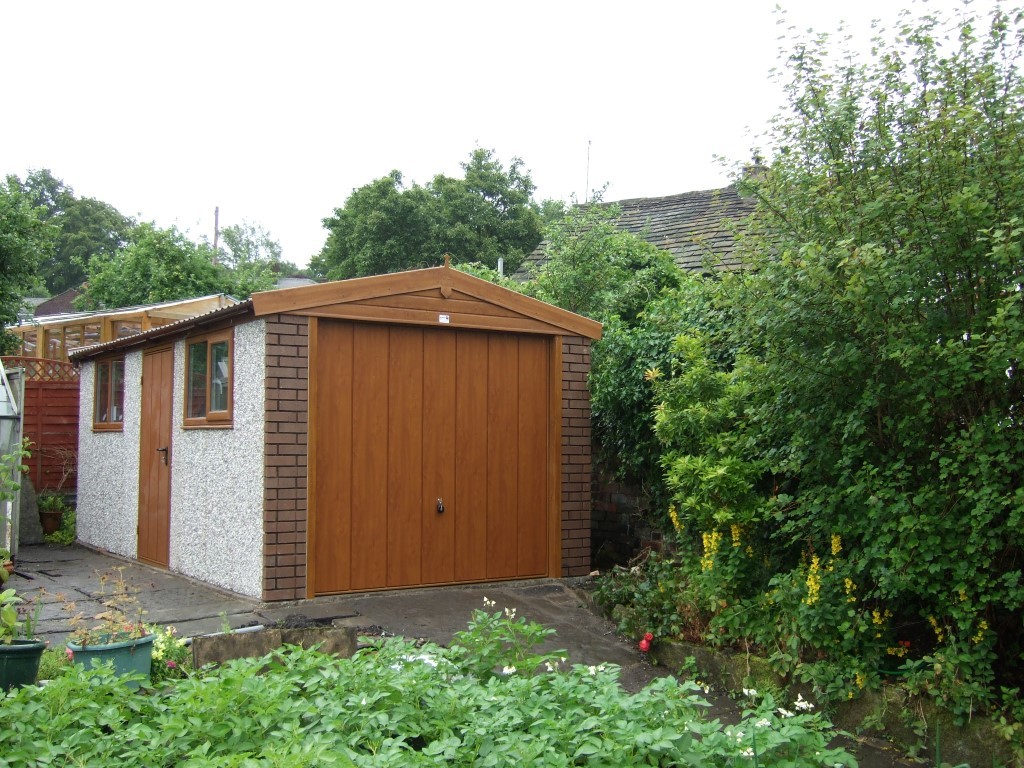
Garage Replacement: Essential Steps for a Seamless Upgrade
Replacing your garage can seem like a daunting task, but it doesn’t have to be. Many homeowners are choosing to replace their old, worn-out garages instead of constantly dealing with repairs. A new garage can improve the appearance of your home and increase its value instantly.
When considering garage replacement, it’s important to evaluate the current condition of your garage. A thorough inspection can help determine if a replacement is necessary or if refurbishment might be a cost-effective option. Often, significant damage or outdated materials make replacement the best choice.
Planning and preparation are crucial for a successful garage replacement. This includes choosing the right materials, designing the layout, and selecting a reputable contractor. Making informed decisions at this stage ensures your new garage meets your needs and lasts for years to come.
Key Takeaways
- Evaluate the condition of your existing garage to decide if replacement is necessary.
- Careful planning and preparation are essential for a successful garage replacement.
- Choosing a reliable contractor ensures a smooth and lasting garage installation.
Evaluating Garage Replacement Needs
Understanding when and how to replace a garage can save both time and money. It’s essential to identify current issues and weigh the benefits of refurbishment against installing a new garage.
Identifying Issues with Existing Garages
Problems with an existing garage may signal a need for replacement. Simple wear and tear, including roof leaks, broken doors, and cracks in the walls, can affect the structure’s integrity.
An old asbestos garage roof poses significant health risks. Crumbling or pierced asbestos releases harmful fibres. Thus, replacement by qualified tradesmen is necessary for safety.
Sagging roofs, water damage, or rot in structural timbers indicate serious problems. These issues can lead to more expense if not addressed promptly. Conversely, cosmetic or minor repair needs might suggest refurbishment rather than full replacement.
Benefits of Garage Refurbishment vs. New Garage
Deciding between refurbishing and installing a new garage involves assessing needs and budgets. Refurbishments tend to be more cost-efficient and less disruptive. For instance, fixing a flat roof or upgrading doors and flooring might suffice for mild to moderate problems.
In contrast, new garage installations offer a fresh start and ensure compliance with modern building standards. New structures are typically more energy-efficient and tailored to current needs.
Moreover, new garages often require less maintenance, reducing long-term costs. Refurbishments might suit those looking for quick, budget-friendly solutions, while new installations benefit those needing clear enhancements in structure and utility.
Planning and Preparation
Proper planning and preparation are essential for a successful garage replacement. Key considerations include adhering to UK regulations, choosing durable materials, and understanding the quotation process.
Navigating UK Regulations and Standards
When replacing a garage in the UK, it’s important to understand the local regulations. In most cases, planning permission is not required if the new garage meets specific criteria. For instance, it must not exceed 4 metres in height and should have a floor space of less than 30m² if attached to the home, or 15m² if freestanding.
Building regulations approval is often necessary, especially if the garage will be used as a habitable space. This ensures the construction meets safety and performance standards. Homeowners in England and Wales should consult local authorities and possibly hire surveyors to manage compliance.
Selecting Materials for Durability and Security
Choosing the right materials for your garage is crucial for both durability and security. Common materials include brick, concrete, wood, and steel. Each has its advantages; for example, bricks offer robustness, while steel provides enhanced security.
It’s also vital to consider climatic conditions. In wetter regions, materials resistant to moisture and damp should be prioritised. Additionally, upgrading to insulated doors and windows can improve energy efficiency.
Security features, such as reinforced doors and modern locking mechanisms, should not be overlooked. These measures not only protect vehicles but also any personal belongings stored in the garage.
Understanding the Quotation Process
Understanding the quotation process can save time and money. It’s advisable to obtain multiple quotes from different contractors to compare costs. The quotes should detail material costs, labour, and any additional fees like site clearance or asbestos removal.
Surveyors and estimators may need to be involved to assess the site and provide a detailed estimate. They can identify potential issues, such as hazardous waste that may require specialist handling, and ensure that those are included in the quotation.
It’s important to check if the contractor has a waste carrier’s license, which is necessary for the legal disposal of construction waste. This ensures the project adheres to environmental regulations.
Implementing the Replacement Process
When replacing a garage, it’s important to consider various components such as the roofing, security features, and additional enhancements. This ensures a comprehensive upgrade that improves both functionality and safety.
Roof Replacement Options and Installation
Choosing the right roofing material is crucial. Homeowners can select from options like asphalt shingles, metal roofing, and maintenance-free roofing systems.
- Asphalt shingles are affordable and easy to install.
- Metal roofing is durable and long-lasting.
- Maintenance-free roofing systems offer the benefit of low upkeep.
Installation involves removing the old roof, preparing the surface, and laying the new material. Professional contractors ensure proper alignment and sealing to prevent leaks.
Installing High-Security Garage Doors and Windows
Upgrading to high-security garage doors and windows enhances safety. Modern garage doors often come with advanced locking systems and are built from robust materials like steel or composite.
Sliding UPVC windows are also a great option for security and insulation. They are easy to maintain and provide excellent protection. For additional security, consider reinforced personnel doors or side doorreplacement for secure access points.
Incorporating Additional Features
Incorporating extra features can further enhance your garage replacement. Adding garage fascias can improve visual appeal and protect against weather damage.
Wheelchair access is another valuable feature, making the space accessible to everyone. This can be achieved by installing ramps and ensuring barrier-free entry points.
Lighting and ventilation improvements can also make the garage more functional and comfortable. Consider adding energy-efficient LED lights and installing ventilation systems to maintain air quality.
Aftercare and Warranties
Proper aftercare and understanding warranties are crucial to ensuring the longevity of garage doors. Focusing on manufacturer warranties and long-term maintenance tips will prevent common issues and ensure satisfaction.
Guarantees and Manufacturer Warranties
Manufacturer warranties for garage doors vary depending on materials and brands. Some offer guarantees up to 10 years, especially for high-quality products and installations by certified professionals.
Wooden garage doors often have shorter warranties, around 2-5 years, due to their susceptibility to weather conditions. In contrast, steel and GRP garage doors can have longer guarantees.
When opting for a garage specialist, it’s important to understand the specifics:
- Lead time: Time taken for delivery and installation.
- Deposits: Upfront payments required before work begins.
- Payment methods: Accepted forms of payment.
For example, some companies provide 12-month installation warranties free of charge, which covers basic issues. Ensuring timely maintenance and following manufacturer guidelines can sometimes extend these warranties.
Long-Term Maintenance and Care Tips
Regular maintenance is essential for keeping a garage door in excellent condition. Basic tasks include cleaning the door surface, lubricating moving parts, and checking for any signs of wear and tear.
Key care tips involve:
- Cleaning: Use mild soaps and water to clean door surfaces, especially for wooden doors.
- Lubrication: Apply suitable lubricants to hinges, springs, and other moving parts.
- Inspection: Regularly inspect for cracks, rust, or damage, and address issues promptly.
Many services offer VSF (Vehicle Service File) to help keep track of maintenance history, which is useful to prolong warranties. Reputable providers often recommend routine checks every 6 months to ensure all components function correctly. Proper aftercare not only extends the life of the garage door but can also improve safety and functionality.
Frequently Asked Questions
People have many questions when it comes to garage replacements. This section covers budgeting, influencing factors on cost, where to find reputable services, door types and materials, replacement duration, and whether to DIY or hire professionals.
How much should I budget for a garage door replacement?
The cost of replacing a garage door can vary widely. On average, it can range from £500 to £2000. This depends on the type of door, materials, and labour costs. It’s important to get quotes from multiple providers to find the best value.
What factors influence the price of garage refurbishments?
Several factors impact the price of garage refurbishments. These include the extent of the damage, the age of the garage, materials chosen, and labour costs. Custom features and high-quality materials will increase the overall cost.
Where can I find reputable garage repair services in my area?
Look for local services with good reviews and ratings. Companies like Brompton Joinery have positive reputations. Checking online reviews and asking for recommendations can also help in finding reliable services.
What are the differences between various garage door types and materials?
Garage doors come in different types, including sectional, roller, and tilt-up. Materials range from steel, aluminium, wood, to fibreglass. Steel is durable and cost-effective; wood offers a classic look; fibreglass is lightweight and resistant to corrosion.
How long does it typically take to replace a garage door?
Replacing a garage door usually takes between 3 to 6 hours. This can vary based on the type of door and the complexity of the installation. Additional time may be needed for custom installations or if any structural repairs are required.
Can I install a new garage door myself, or should I hire professionals?
While it is possible to install a garage door yourself, it is typically recommended to hire professionals. They have the necessary skills and tools. A professional installation ensures safety and proper functioning, and may also include a warranty for peace of mind.