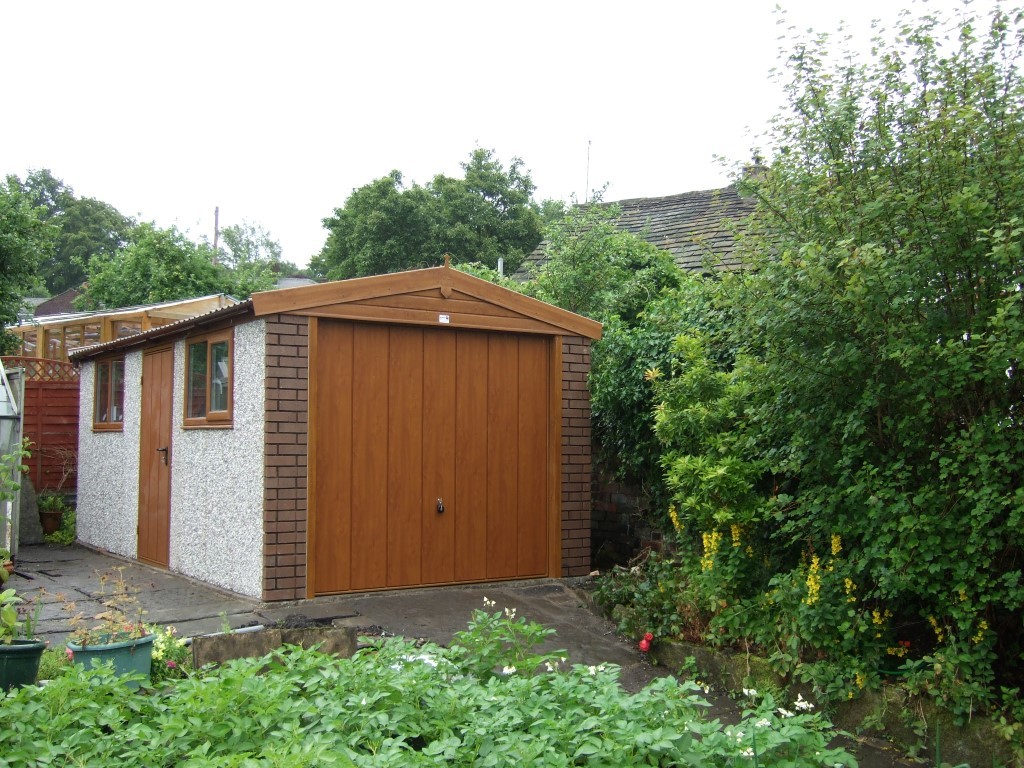
Garage Installations: Expert Tips and Best Practices
Garage installations can significantly enhance the value and functionality of your home. Whether you’re looking for a basic setup or a customised solution, there are many factors to consider. These can include design, materials, and the type of garage that best suits your needs. Understanding these elements can help you make an informed decision and ensure you get the most out of your investment.
Professional installation is highly recommended for achieving a high-quality result. Experienced installers will ensure that your garage is built to last, using the best materials and techniques. Many UK-based companies offer a range of options, from prefabricated units to bespoke designs, catering to various budgets and requirements. They also provide comprehensive customer support, ensuring any issues are resolved quickly and efficiently.
Maintenance and repairs are crucial for prolonging the life of your garage. Regular checks and timely repairs can prevent minor issues from becoming major problems. Many companies also offer aftercare services to help you keep your garage in top condition. Ensuring your garage is well-maintained will save you money in the long run and keep it looking great.
Key Takeaways
- Professional installation ensures high quality and longevity.
- Regular maintenance and repairs extend the life of your garage.
- Customisation options cater to various budgets and needs.
Professional Garage Installation
Professional garage installation is crucial for ensuring safety, long-term performance, and value. This involves selecting the right garage type and design to meet specific needs and preferences.
Types of Garage Installations
Several types of garage installations are available to suit different requirements. Single garages are ideal for houses with limited space. They provide enough room for one vehicle and some storage. Double garages, on the other hand, are suitable for larger properties and families with multiple cars. They offer more space for storage and vehicle housing.
Detached and attached garages are two other common types. Detached garages are separate structures, which can be beneficial for homes with large plots. Attached garages are connected to the main house, offering convenience and direct access.
Additionally, there are custom garages, which can be designed to meet specific needs. These may include extra storage, workspace, or even living quarters above the garage. Each type of installation has unique benefits that should be considered carefully.
Choosing the Right Design and Size
Choosing the right design and size for a garage is important for functionality and aesthetics. The design should match the style of the house. Modern homes may opt for sleek, contemporary designs, while traditional homes might prefer classic, rustic designs.
Size is another key factor. Consider the number of vehicles, storage needs, and any additional functions like a workshop. For example, a double garage offers more flexibility. Also, consider the height for storage solutions like overhead racks.
Materials are also important. Common choices include steel, wood, and aluminium. Steel is durable and low-maintenance, while wood offers a classic look but requires more upkeep. Aluminium is lightweight and resistant to rust. Select a material that balances durability, cost, and style preferences.
The Garage Installation Process
Successful garage installation involves picking the right location and prioritising safety steps. It ensures a durable and functional setup.
Initial Survey and Selection
Before installation begins, a thorough survey of the site is crucial. This includes checking for even ground, as it affects the stability of the garage. The chosen spot should have proper drainage to prevent water damage.
The selection of materials comes next. Concrete and steel are common due to their durability. The design also matters; it should match the home’s aesthetic and meet spatial requirements. The right materials and site selection set the foundation for a long-lasting garage.
Safety Precautions during Installation
Safety is paramount during installation. Tools and materials must be handled with care to avoid accidents. Workers should wear protective gear, including gloves, hard hats, and safety glasses.
Electrical systems, if any, must be installed correctly to prevent hazards. It’s important to follow guidelines for lifting heavy parts to avoid injuries. Clear the area of any obstructions and ensure all equipment is in good working order. A focus on safety not only protects the installers but also guarantees a secure structure.
Selecting Accessories and Upgrades
When deciding on accessories and upgrades for your garage, it’s important to consider both functional and aesthetic aspects. From adding automation and security features to selecting colour options, the choices will enhance both the utility and appearance of your space.
Automation and Security Options
Adding automation makes everyday tasks simpler and more convenient. Garage door openers that can be operated via smartphone apps provide ease of access and enhanced security. Many of these systems also allow for remote monitoring.
Security cameras are another smart addition. They can be integrated into your home security system and provide valuable peace of mind. Consider motion sensor lighting to further deter intruders. These lights automatically turn on when they detect movement, making it easier to navigate the garage at night.
For added protection, an automatic gate can be installed. This gives an extra layer of security and can also be controlled remotely, making it convenient for entry and exit.
Aesthetic Add-Ons and Colour Variety
Improving the look of your garage can make it an inviting and organised space. Epoxy flooring in various colours and patterns not only improves appearance but also provides a durable and easy-to-clean surface.
Wall storage solutions such as shelving units and slat walls can help keep tools and equipment off the floor, reducing clutter. These can be customised with different finishes to match your garage’s style.
Paint and cabinetry selections are also important. Cabinets with a sleek design and modern colour palette can transform the garage into a more visually appealing area. Additionally, installing a ceiling storage lift can free up floor space and keep items neatly out of sight.
Maintenance and Repairs
Ensuring the proper upkeep of garage doors and addressing repairs promptly are essential for long-term functionality and safety. Regular maintenance can prevent costly repairs, while timely repairs ensure that small issues do not escalate into bigger problems.
Regular Maintenance Tips
Maintaining a garage door involves several steps. Inspect the door for any visible wear and tear monthly. Check the hardware, including hinges, brackets, and rollers, tightening any loose parts. Lubricate moving parts like rollers, tracks, and hinges with a silicone-based lubricant every few months. This reduces friction and prevents wear.
Clean the tracks regularly by wiping away dust and debris. This ensures the door operates smoothly. Test the balance of the door by disconnecting the opener and manually lifting the door halfway. If it stays in place, it’s balanced. If it moves, there might be a need for adjustment.
Additionally, checking the weather stripping at the bottom of the door for cracks or wear helps in keeping out the elements and maintaining energy efficiency. Replacing it when necessary keeps the garage sealed and protected.
Handling Repairs and Replacements
Garage doors require repairs when parts fail or wear out. Common issues include broken springs, damaged panels, and malfunctioning openers. Identifying and fixing these problems promptly can prevent further damage. For broken springs, it’s advisable to hire professionals due to the high tension involved.
Damaged panels can often be replaced individually, avoiding the cost of a new door. Ensure the replacement matches the rest of the door in style and colour. Problems with the opener may involve electrical issues or worn-out gears, often addressed by consulting a professional.
When replacement parts are needed, sourcing them from reputable suppliers ensures quality and compatibility. For DIY enthusiasts, following the manufacturer’s instructions carefully is crucial to avoid mishaps. Regular maintenance, combined with knowing when to call a professional for repairs, ensures a long-lasting, smoothly operating garage door.